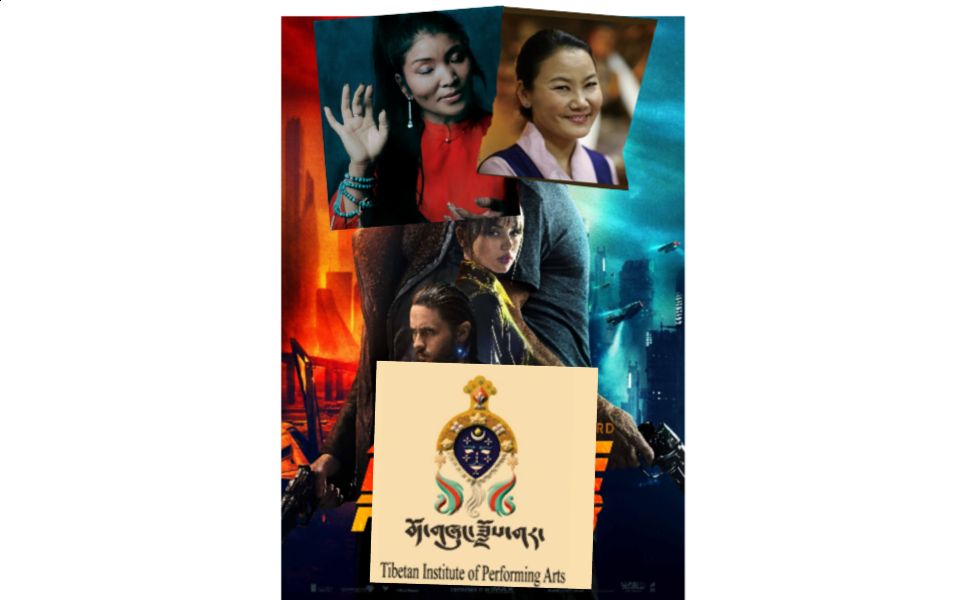
In recent decades, Tibetan music as a field and a phenomenon has seen a ever brighter spotlight being shone on its development and flourishing. This has manifested in the form of several figures rising to international prominence, and a wave of new Tibetan musical talent being introduced into and thriving on the world stage.
Chukie Tethong
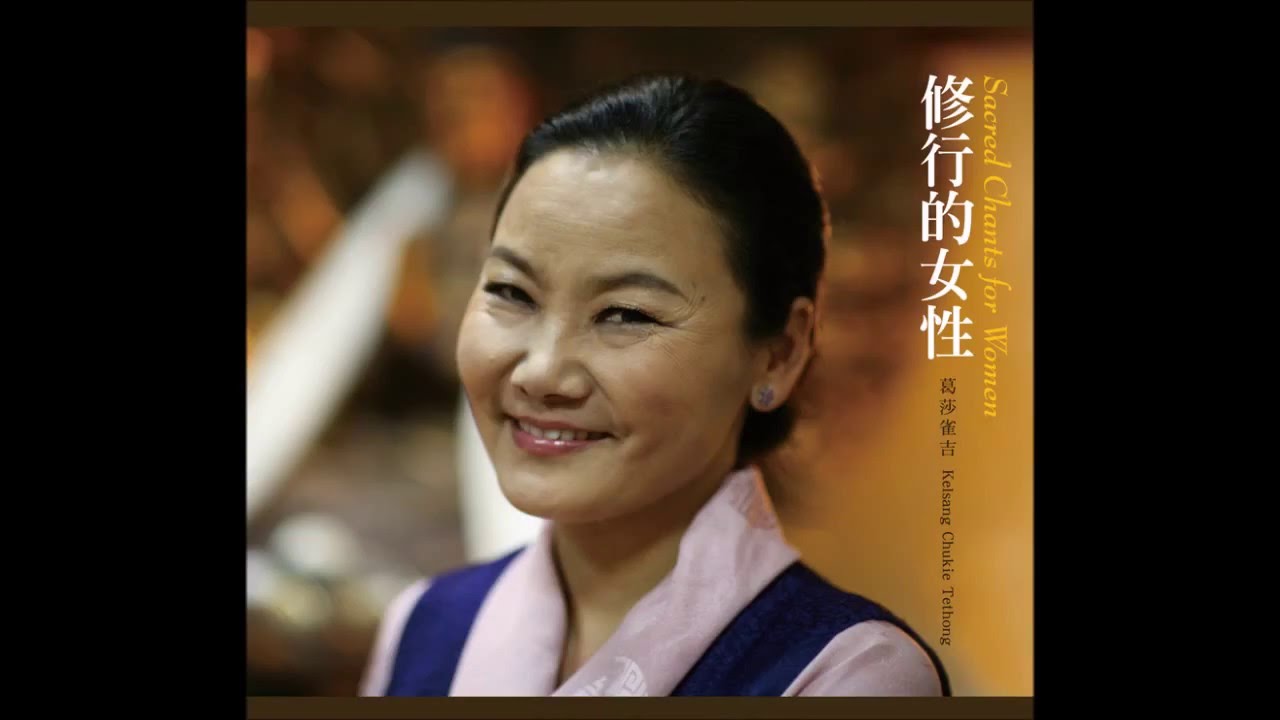
Perhaps one of the most prominent figures in Tibetan Nangma and Toeshey
performance in recent years is Chukie Tethong, and her band of lutists, flutists, and other players of traditional Nangma instruments. The members of the band were all born outside of Tibet in exile, and were subsequently taught by other musicians who fled the Chinese occupation of Tibet in 1959 and currently, also, live in exile. More importantly, however:
The group is dedicated to the preservation of this rich and distinctive part of the Tibetan cultural heritage, and hence named their group “Nangma,” and intends to promote this tradition to the younger generation Tibetans through concert performances, workshops and lectures on the “Roots and Origins of Tibetan Music and Dance.”
Wangyal
Beyond the promotion of the tradition to “younger generations”, however, the group also performs the function of a global ambassador; in travelling to San Francisco and New York and other cultural hubs around the world, the group codifies a globalist, international boom of Tibetan intellectual, musical expression that is now taking shape as a melange of national pride, historical rediscovery, and cultural preservation in the face of culturally adverse trends in geopolitics and urban development.
Chukie Tethong’s “A Prayer to Dispel Sickness and Harms” can be listened to below.
Namgyal Lhamo
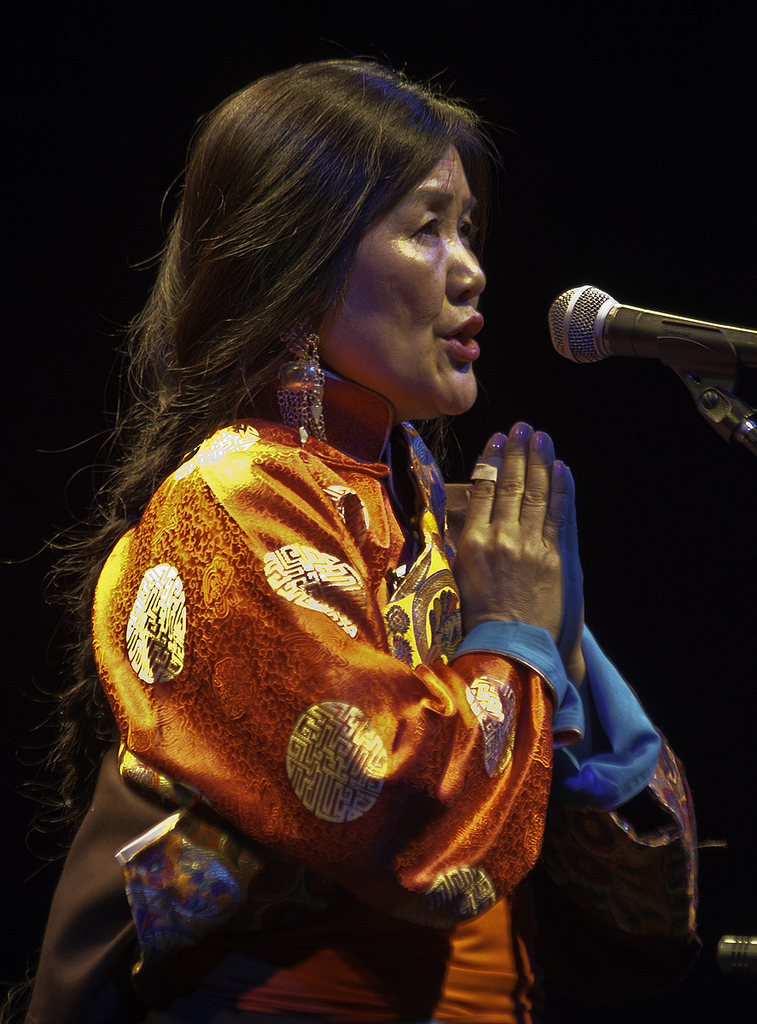
Lhamo, as a Tibetan musical genre, has also seen a great amount of talent branch out in the world, during the 20th and 21st centuries. The globally respected, universally acclaimed Lhamo singer Namgyal Lhamo exists as a functional global-cultural ambassador of Tibetan music similar to Chukie Tethong. Having been trained by the Tibetan Institute of Performing Arts, Namgyal Lhamo rose to prominence within Tibet as a skilled performer of Tibetan folk music, as well as the Nangma and Toeshey. She has performed on a global stage many times, touring in Europe and America, and even, at one point, performing alongside the Beastie Boys.
Namgyal Lhamo can be listened to in the video below, performing in Paris during the 30th International Woman’s Film Maker’s Festival in Cretéil, France in 2008.
Yungchen Lhamo
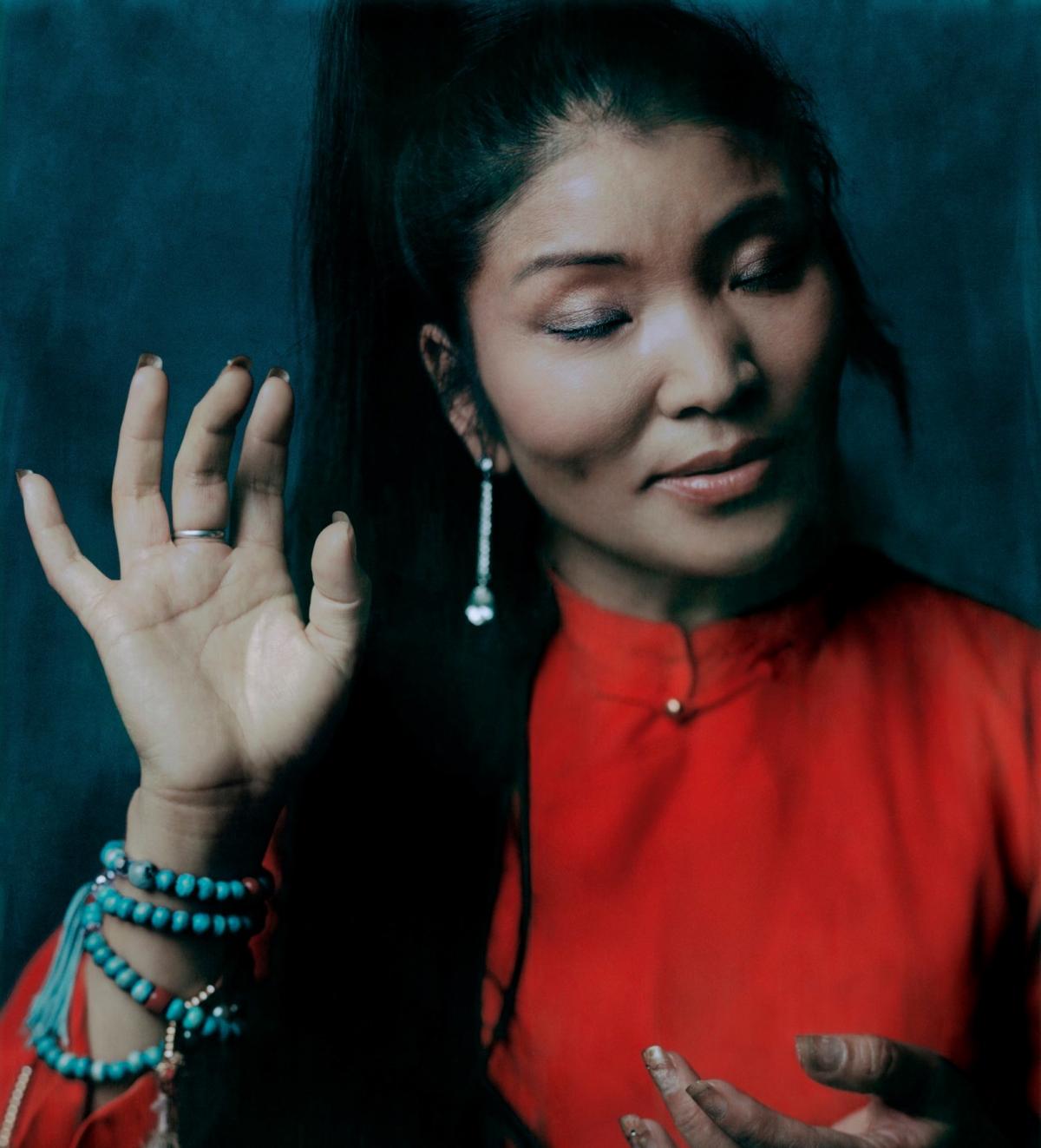
Yungchen Lhamo, whose name translates to “Goddess of Melody and Song,” is a Lhasa-born singer and lyricist, who has, throughout her career, performed in Carnegie Hall, won multiple international awards for her “World” and “Spiritual” albums, and performed alongside artists like Peter Gabriel and Bono. Her music, taken from her Buddhist upbringing, has infused traditional folk and Tibetan religious musical traditions into more modern compositional idioms. She has in her spare time, established a foundation which invests into Tibetan infrastructure projects, food access, and public health developments in Tibetan society.
Yungchen Lhamo’s song, “Happiness Is” off her 1998 album “Coming Home” can be listened to below.
Appropriation and Global Influence
In recent years especially, Tibetan music and the music of adjacent cultures in Mongolia around the borders of geographic China have surged in popularity throughout international media. Tibetan genres and musical idioms have exerted a sphere of influence that can be seen in many manifestations: the soundtrack of the 2017 film, Blade Runner 2049, includes a track which draws from and directly uses a section of overtone singing heavily inspired and closely resembling Tibetan Buddhist monk overtone chanting in its atonality, composition, and droning style, compared to more lyrical varieties found in Tuvan, Russian, and Mongolian throat singing. This basso profundo can be listened to below:
In a similar vein, though not necessarily as relevant to Tibetan culture, was the use of an overtone-heavy song by the Tuvan band Huun-Huur-Tu, in a 2017 season of the television series, “Fargo”. The religious and cultural history of this music has deep ties to Tibet, as Tuva’s spiritual leader continues to be the 14th Dalai lama. However, more importantly, the inclusion of Tuvan overtone singing and Tibetan-influenced droning in prominent Western media points to Tibetan music entering a global melting pot. There is great demand and great interest in Tibetan culture, and if these inclusions in media are proof of anything, it is that Tibetan music and tradition is far from dying any time soon. Instead, it is growing and evolving to thrive in a more international world. It is up to musicologists to keep up with the musicians, and not the other way around.
Huun-Huur-Tu’s song can be listened to below.
Citations:
Wangyal, Lobsang. “MusicTibet.com.” Four Veteran Artistes to Tour US | News >>> MusicTibet.com, http://www.musictibet.com/news/2006/20060401-four_veterans_US_tour.html.
 Tibetan Music